SAD lamps do something. After eight weeks of sitting in front of a Verilux HappyLight for 25 minutes every morning, from mid-January to mid-March, I was getting up more easily, felt less like fog until eleven, and my husband said I'd stopped sighing at the window. Whether that was the lamp, the lengthening days, or the fact that I'd started drinking my coffee in the same chair at the same time every morning, I can't fully separate. That's the honest answer, and I'll lay out how I tried to separate it. What I can say is that the lamp itself is well made, does what the box claims, and I'll use it again next winter.
One thing before anything else: I'm a home-decor reviewer, not a doctor. Seasonal affective disorder is a real diagnosis and if you think you have it, that's a conversation with a doctor, not with a blog. What I can tell you is what it's like to buy and live with one of these lamps, whether it's built well, and what the experience actually is, which is what most people searching "do SAD lamps work" seem to want to know.
What is a SAD lamp, and what is it supposed to do?
A light therapy lamp is a flat panel of very bright white LEDs, usually rated at 10,000 lux at a set distance, which is roughly the brightness of a bright overcast day and about twenty times brighter than a normal well-lit room. The idea is that sitting in front of it for 20 to 30 minutes in the morning, with the light reaching your eyes indirectly, tells your body clock it's daytime, which in winter it might otherwise not believe until lunchtime. The research on light therapy for seasonal low mood goes back to the 1980s and it's one of the better-supported non-drug approaches, which is more than you can say for most things I review.
The important number is the lux at a distance. A lamp that's 10,000 lux at 6 inches and 2,500 lux at 18 inches isn't giving you 10,000 lux unless your face is six inches from it, which nobody does. The good ones state the distance. The cheap ones state the number.
The lamp I used
Verilux HappyLight Luxe, $70 at the time, bought in January when I noticed I'd been going to bed at half past eight for a week and couldn't say why. It's about the size of a hardback book stood on end, white, with a fold-out stand, three brightness settings, three colour temperature settings, and a countdown timer. It claims 10,000 lux, and Verilux's own literature puts that at around 6 to 8 inches from the panel, which is closer than I'd expected. At the 16 or so inches I actually sat, it's less, though still far brighter than anything else in the room.
Arrived in three days, well boxed, no damage. Build is plastic but solid, the stand doesn't wobble, the buttons are clear. It looks like a piece of medical equipment, which it is, and it lives on the kitchen table now behind the fruit bowl where it doesn't bother me. Setup is: plug it in, press the button. That's all.
The routine, and how I tried to be fair about it
Every morning within half an hour of getting up, I sat at the kitchen table with the lamp about 16 inches away and slightly to one side, on the highest brightness and the coolest colour setting, for 25 minutes, and had my coffee and read. I didn't stare at it; you're not meant to. I did this for 56 days straight, missing two.
To try to tell the lamp from the placebo and from the season, I kept a very simple log: a one-to-five score for how I felt at nine in the morning, and the same at three in the afternoon, plus what time I'd woken. I'd started the log two weeks before the lamp arrived, so I had a baseline. And for the last two weeks of the eight, my husband unplugged the lamp on random mornings and I sat in the same chair with the same coffee for 25 minutes with it switched off. He wrote down which days. I didn't know.
What happened
Baseline, the two weeks before the lamp: morning score averaged 2.3, afternoon 2.9. Waking time drifted to nearly eight.
Weeks one and two with the lamp: morning score 2.8, afternoon 3.1. Not dramatic. I was waking a little earlier, around half seven, and I noticed the effect most in the first hour, less of the thick-headed feeling.
Weeks three to six: morning score 3.5, afternoon 3.6. This is where it felt real. I was waking before the alarm most days, closer to seven. I started doing things in the morning again that I'd stopped doing in December. The afternoon slump was still there but shorter.
Weeks seven and eight, the blind test: on the mornings my husband had unplugged it, my morning score averaged 3.2. On the mornings it was on, 3.7. That's a difference, and it was consistent enough across the fourteen days that I don't think it's noise, though fourteen days and one person is not a study and I'm not going to pretend otherwise. What I'd say is: on the off mornings, I did notice, usually about ten minutes in, that the light felt flat, before I knew the lamp was off. That surprised me.
The obvious confound is that by March the sun was up before I was, and everyone feels better in March than in January. The blind test is the best I could do about that. Take it for what it is.
What it's like to actually use one
Bright. The first three mornings it felt like being interrogated, and I had a mild headache the first two, which faded and never came back. By the end of week one it was just part of the coffee. You get used to it faster than you'd think. I did find that using it after about ten in the morning, on the two days I got up late, left me a bit wired in the evening, so morning really does seem to be the window.
It's not a lamp you'd have on for ambience. It's a task. Twenty-five minutes, then off. The timer makes that easy and I'd not buy one without it.
The colour settings turned out to matter less than I expected. I tried the warmer setting for a week and couldn't tell any difference in how I felt, only that it was slightly less unpleasant to sit near. I went back to the coolest because that's the one the research is done at.
Where to put it, and how far away to sit
This turned out to be the practical question I hadn't thought about, and the one that decides whether you'll actually keep using it. The lamp has to be where you already sit in the morning. If you have to move to it, you won't. Mine went on the kitchen table because that's where the coffee is, and it stayed there for eight weeks because I never had to think about it.
Distance: the box says 6 to 8 inches for the full 10,000 lux, and at that distance it's too bright to read next to. I settled at about 16 inches, angled so the light came in from the side rather than head-on, which is what the guidance from the light-therapy people generally suggests anyway; you want it in your field of view, not in your eyes. At 16 inches you're getting a fraction of the rated number, and I'd guess that's why the effect built slowly. If I did it again I'd sit closer, 10 or 12 inches, for a shorter time.
Height: eye level or slightly above. On the table it was a touch low, and I ended up standing it on a cookbook. Not elegant. Works.
Don't use it at your desk with a screen behind it. I tried on a work morning and the contrast between the panel and the monitor was unpleasant within minutes. Kitchen, coffee, book. That's the combination.
The side effects, such as they were
Mild headache the first two mornings, gone by day three. A slightly jittery feeling on the two days I used it late, which is the reason for the morning-only rule and is well documented. Nothing else. I don't wear glasses and I don't take anything that makes me light-sensitive, and if you do either of those things, that's back to the doctor conversation before you buy one; some medications and some eye conditions don't mix with 10,000 lux.
My husband tried it for four mornings out of curiosity, said it made him feel "like an airport," and went back to his phone. Different people, different mornings. He doesn't get the January slump and the lamp had nothing to fix.
Verilux HappyLight vs the cheaper ones
I also bought a $28 no-name panel from the same page of search results, because I always do, and used it for a week in the middle. It claimed 10,000 lux and didn't say at what distance. Side by side, it was visibly dimmer, had a flicker I could see if I moved my eyes quickly, and the stand was a piece of bent wire. I didn't feel worse using it, but I didn't feel the same lift, and I didn't trust it. It went back.
The Verilux costs more than twice as much and I think that's the right amount to pay for something you're going to sit in front of for 25 minutes every day for three months. There are other proper brands, Carex and Northern Light Technologies among them, that I didn't test and can't score. What I'd look for in any of them is a stated lux at a stated distance, a timer, no visible flicker, and a stand that doesn't move when you set a mug down next to it.
What I'd change next winter
Start earlier. I bought it in mid-January, three weeks into feeling flat, and the first fortnight was catch-up. This year it goes on the table on the first of November, before the clocks have fully done their damage. Sit closer, 12 inches rather than 16, for 20 minutes rather than 25. And keep the log from the start, because the log is the only reason I can tell you anything useful about whether it worked; without it I'd be guessing, the way most of the reviews I read before buying were guessing.
Do SAD lamps work, then?
For me, in one winter, as one person keeping a log: I'd say yes, modestly, and mostly in the mornings, with the effect building over three or four weeks rather than arriving on day one. It didn't change my life. It changed my nine o'clock, and my nine o'clock had been the problem. I'll plug it back in on the first of November.
If you're thinking about one: buy a real one, put it where you already sit in the morning, give it four weeks before deciding, and use it in the morning only. And talk to a doctor if the winter is more than a slump, because a lamp is a lamp.
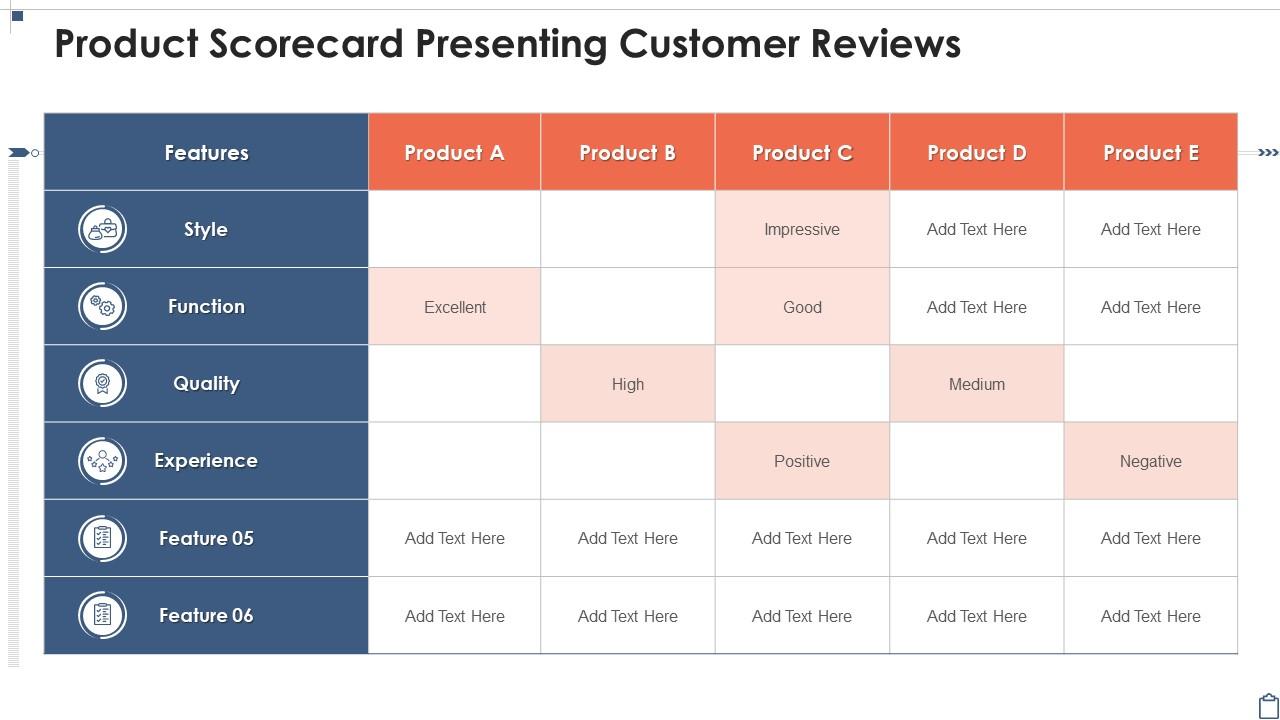
The scorecard, and what it's scoring
I score the object, not the medicine. Shipping and packaging were faultless. Build is good plastic, not premium, but it's a panel and a stand and there's not much to get wrong. Value is strong at $70 for something that gets used daily for a season. Looks are, well, a medical device on a kitchen table. It gets an 8.4 from me because it did what it said, it's built to last more than one winter, and the timer and the stated-distance lux are the two things that separate it from the pile of $28 panels that make people say these don't work.
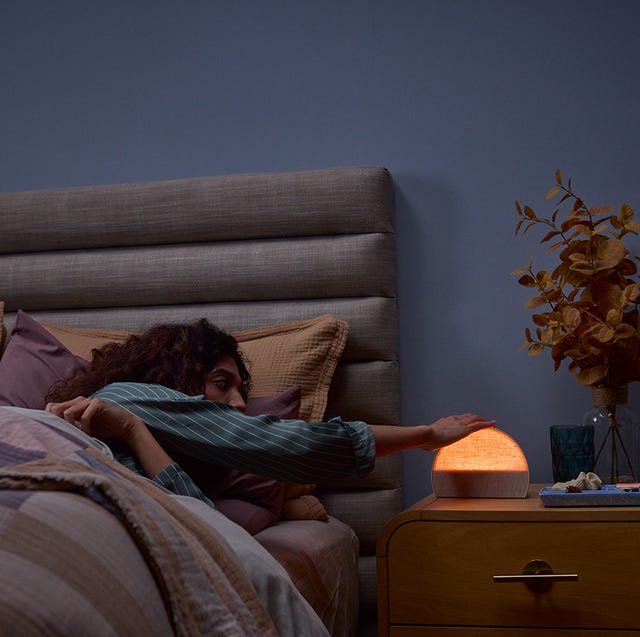
The rest of the day I keep the house warm, not bright: 2700K on a dimmer, and a floor lamp in the corner for the dark afternoons. The SAD lamp is a morning tool. The evening is for the opposite kind of light. I wrote about the sunrise-alarm end of the same problem in the Hatch Restore review.
For one person over one winter, the Verilux HappyLight produced a modest, consistent lift in mornings that held up in a two-week blind test. It's well built, the timer and stated-distance lux are what separate it from the cheap panels, and it's a morning-only tool. If winter is more than a slump, see a doctor.