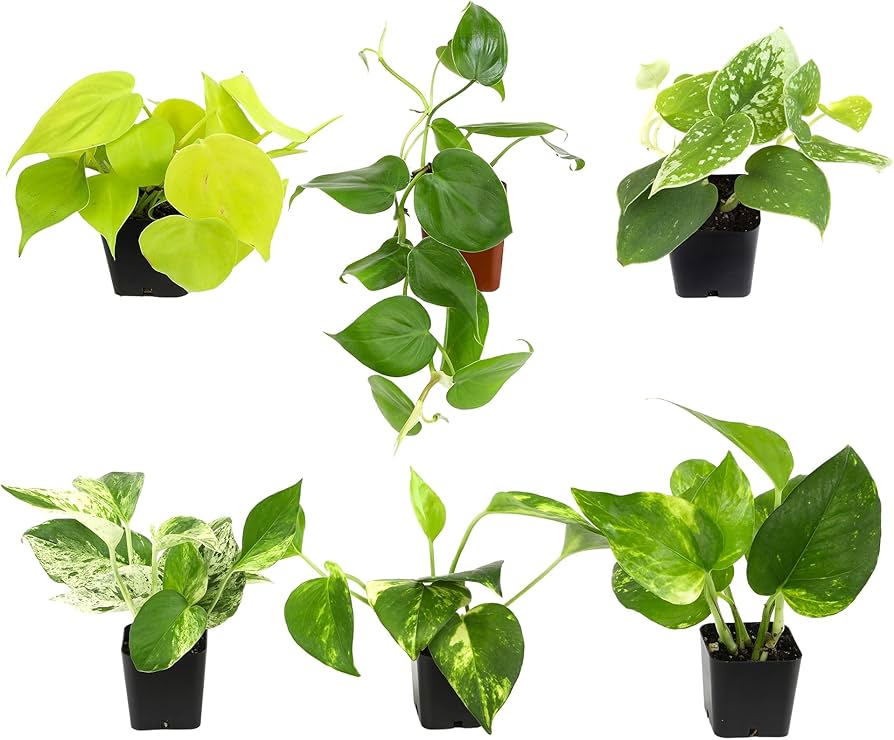
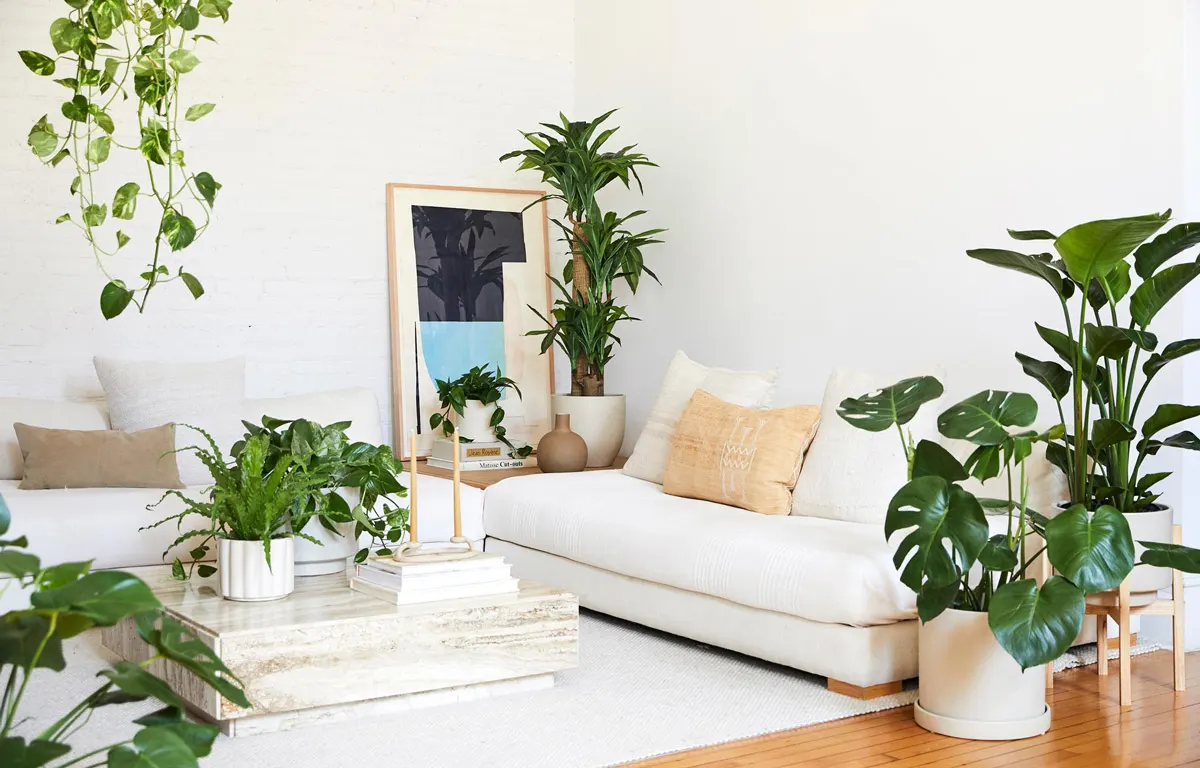
I have both a windowsill of thriving real plants and a few strategically placed fakes (a convincing 6-foot faux olive runs $120 to $200; a real one costs a fraction to buy but needs constant care), because after years of nurturing some and murdering others, I've learned it's not real-versus-faux, it's right-plant-right-place. Here's an honest comparison of living plants and good artificial ones, so you know when to nurture and when to fake it.
At a Glance
| Criteria | Real Plants | Faux Plants |
|---|---|---|
| Looks | Unbeatable when thriving | Convincing from a distance |
| Care | Watering, light, attention | None |
| Best for | Bright spots, plant lovers | Dark corners, brown thumbs |
| Upfront cost | Usually cheaper | Pricier (but lasts) |
| Longevity | Can die / need replacing | Effectively permanent |
| Air / mood benefit | Yes, living | Visual only |
Where Real Wins
Nothing beats a healthy living plant. The genuine texture, the way it grows and changes, the life it brings to a room, the small joy of tending it. In a bright spot, with someone who enjoys the care, real plants are simply better and cheaper to start. If you have the light and the inclination, go real and enjoy it.
Where Faux Wins
But real plants need light, water, and attention they don't always get. And that's where faux earns its place. In a dark corner, an awkward high shelf, a low-light room, or a home where plants go to die, a quality fake gives you permanent greenery with zero upkeep. A good faux olive tree or trailing plant, fluffed into shape and put in a real pot, looks convincing from a few steps back and never wilts.
Making Faux Look Real
The difference between convincing and cheap is all in the finish: buy quality, spend a few minutes bending and spreading the leaves into a natural, irregular shape, pot it in a real planter with some moss over the base, and keep it away from genuine plants where the contrast would expose it. Do that and most visitors won't realise until they touch it.
The Verdict
This isn't a war with a winner. It's about matching the plant to the spot. Go real where there's light and you'll enjoy the care; go faux for the dark corners, the awkward spots, and the brown-thumb realities of normal life. My honest advice, and what I do at home, is to mix both: real where they'll thrive, faux where they won't, and nobody can tell which corner is which.
Go real where there's good light and you'll enjoy the care, nothing beats a thriving living plant. Go faux for dark corners, awkward spots, and brown-thumbed homes, where a quality fake looks great with zero upkeep. The smartest homes, mine included, mix both.